
New World Screwworm: What Ranchers, Hunters, and Wildlife Managers Need to Know
For decades it seemed like a problem from the past. Today it is once again drawing the attention of people who live from the land and care deeply about wildlife.
Main source: this article is based on the texts by Dr. James C. Kroll, known as "Dr. Deer," published on Facebook.

For many years, the New World Screwworm seemed like a problem from the past. For several generations of ranchers, hunters, veterinarians, and wildlife managers, it was a story told by older people: wounds that would not heal, weakened animals, economic losses, and a major animal-health campaign that eventually eradicated it from North America in the 1960s. Today, that parasite is once again drawing the attention of people who live from the land and care deeply about wildlife.
What is the screwworm?
Although it is called a "worm," it is actually the larval stage of a fly. The female lays eggs in open wounds of warm-blooded animals: cattle, sheep, goats, horses, deer, feral hogs, pets, wildlife, and, in uncommon cases, people. When the larvae hatch, they feed on living tissue. That is what makes this parasite especially dangerous: it does not merely take advantage of an existing wound; it can enlarge it, deepen it, and turn it into a serious lesion.
Navels of newborn animals, wounds from birthing, fights, fences, handling, tagging, dehorning, castration, predation, or accidents can all become entry points. That is why screwworm is not only a livestock issue; it is also a wildlife, animal-health, and regional biosecurity concern.

Why is it a concern again?
According to Dr. Kroll's analysis, the current concern comes from the renewed northward movement of the New World screwworm from Central America and Mexico. In 2026, recent detections were confirmed in northeastern Mexico and Texas, raising alarms among producers, veterinarians, animal-health authorities, hunters, and wildlife professionals.
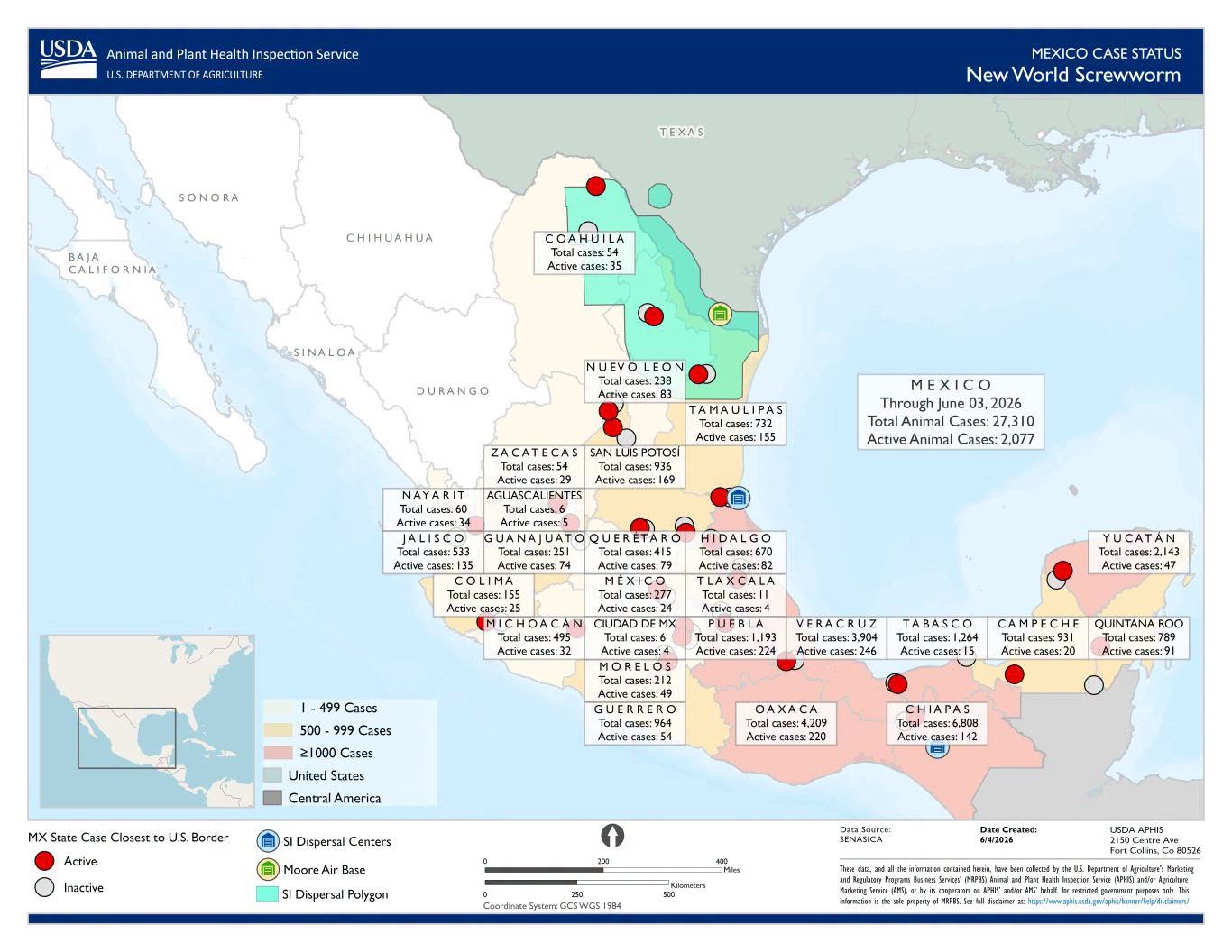
This does not mean we are defenseless. The science that defeated screwworm in the past is still available. The challenge is that the parasite advanced before the full modern capacity to produce and disperse sterile flies was completely ready.
The main tool: sterile flies
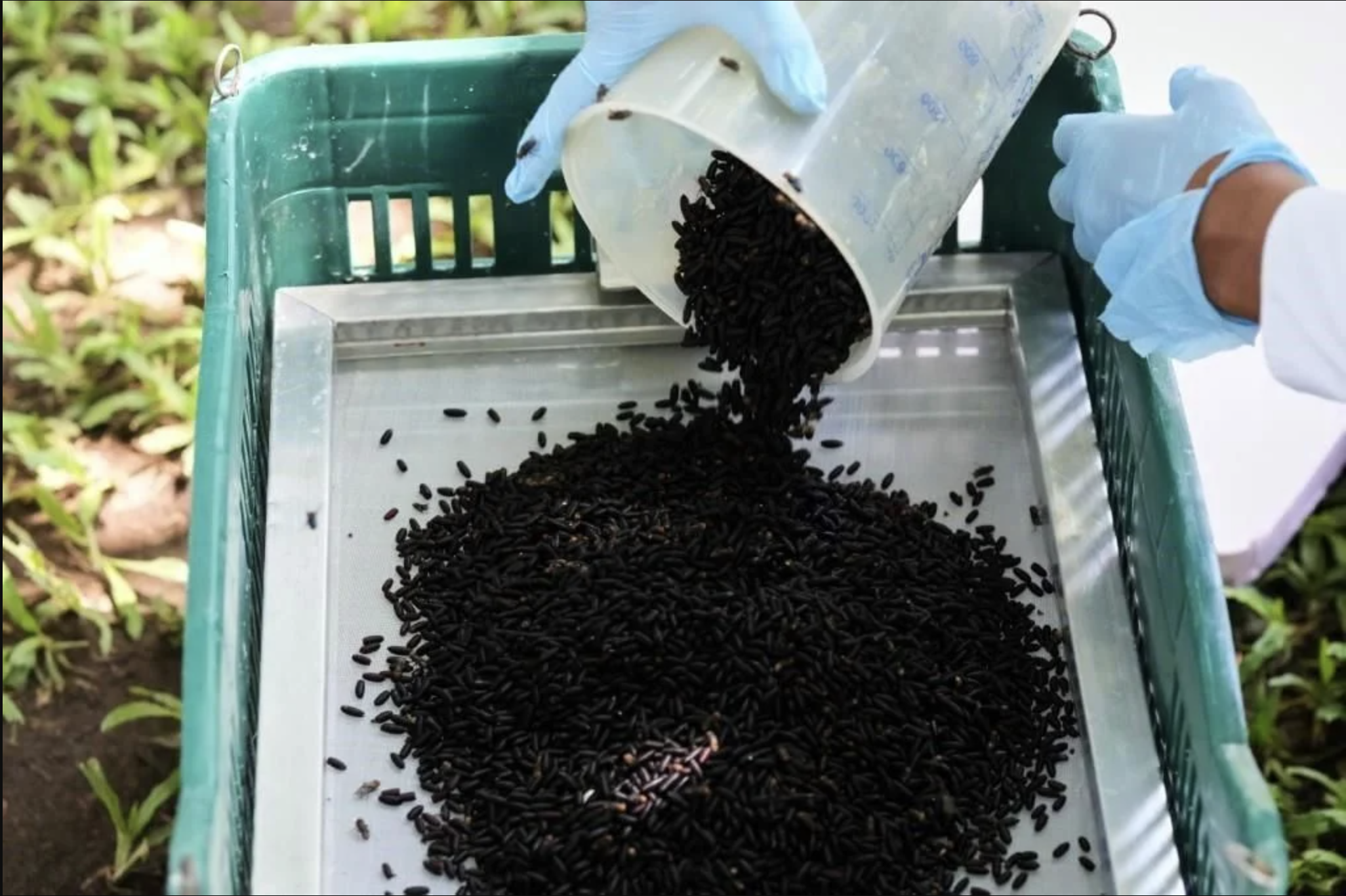
The sterile insect technique is one of the great success stories in animal health. It involves raising large numbers of male screwworm flies, sterilizing them, and releasing them in the field. Because female screwworm flies usually mate only once, if they mate with a sterile male, they do not produce viable offspring. With enough releases, the wild population declines and eventually collapses.
According to Dr. Kroll's texts, sterile flies are already being released. Public confusion comes from the fact that Texas has a dispersal facility operating at Moore Air Base near Edinburg, which can receive and release flies produced elsewhere; however, the large-scale production facility that will raise and sterilize flies in Texas is still under construction. In the meantime, much of the supply depends on international facilities, especially Panama, and on expanded regional capacity.
What is the risk to livestock?
For ranchers, the message is direct: every wound should be taken seriously. Screwworm can turn a minor injury into an emergency. Newborn animals, animals with handling wounds, ear-tagging wounds, wire cuts, surgical wounds, or open infections require special attention. Early detection can make the difference between a controlled case and an infestation that spreads.
The practical recommendation is to frequently inspect calf navels, birthing-related wounds, recently worked animals, fighting injuries, and wounds that are not healing. If there are larvae, foul odor, discharge, pain, rapid wound enlargement, or abnormal behavior, the case should be reported immediately to the appropriate animal-health authority, and the animal should not be moved without official guidance.
Practical recommendations for ranchers
In a situation like this, ranchers are the first line of defense. No one knows their animals, pastures, and handling routines better. Daily vigilance and timely reporting can be just as important as any official control measure.
- Inspect cattle more often: pay special attention to newborn calves, cows that recently calved, recently worked animals, wire injuries, fighting wounds, branding, dehorning, castration, tagging, or veterinary procedures.
- Watch for wounds that change quickly: a wound that grows, drains, smells bad, bleeds persistently, causes pain, attracts flies, or contains larvae should be considered suspicious.
- Treat wounds immediately: clean, disinfect, and protect lesions under veterinary guidance; do not leave open wounds unchecked, especially during warm or humid conditions.
- Control animal movement: do not move animals with suspicious wounds, larvae, or compatible signs without consulting the proper animal-health authority; moving an infested animal can carry the problem to another ranch or region.
- Separate and observe suspicious animals: keep the animal in a place where it can be safely inspected, avoiding unnecessary mixing with other groups while professional guidance is obtained.
- Document before intervening when possible: take clear photographs, record the date, pasture, animal identification, type of wound, and any treatment applied; this information helps veterinarians and authorities.
- Coordinate with your veterinarian: establish a protocol for wound inspection, calving management, a basic first-aid kit, approved treatments, and reporting routes before a case appears.
- Train ranch personnel: cowboys, caretakers, temporary workers, and family members should know how to recognize suspicious wounds, avoid handling larvae without guidance, and report immediately.
- Reduce preventable wounds: repair fences, remove loose wire, inspect pens, chutes, and traps, and schedule procedures such as dehorning or castration using good sanitary practices.
- Stay in communication with neighbors: screwworm does not respect fence lines; sharing verified information with nearby ranches strengthens regional early detection.
What does it mean for hunters and wildlife?
Hunters and wildlife enthusiasts are right to be concerned about deer and other wild animals. Screwworm can infest wounds in wildlife, and historical records include deer, feral hogs, predators, and other species. However, Dr. Kroll emphasizes the need to avoid two mistakes: panic and minimizing the problem.
Historical evidence confirms individual wildlife deaths, but there is less solid data on major population-level impacts under current conditions. Young animals, wounded animals, weakened animals, or animals with persistent open lesions appear to be the most vulnerable. In confined deer operations, fawns and animals with visible wounds deserve special attention.
Hunters, ranch owners, guides, nature photographers, and field personnel can help by observing and reporting. A clear photograph, approximate location, date, species, type of lesion, and any abnormal behavior can provide valuable information for surveillance.

What is the government doing?
The official response combines several actions: sterile fly releases, surveillance, animal-movement controls, quarantines in affected areas, epidemiological investigation, binational coordination among agencies, and construction of new production capacity. The goal is not to solve the problem overnight, but to prevent the parasite from becoming established, reduce reproduction, and gain ground through a sustained campaign.
As Dr. Kroll points out, success does not depend on government alone. It also depends on people in the field: those who see the animals first, know the ranches, travel the roads, pastures, brush, and water sources, and can detect something abnormal before it becomes a larger problem.
What we can do from the field
- Inspect wounds: in livestock, pets, horses, newborn animals, and managed wildlife.
- Report suspicious cases: especially wounds with larvae, foul odor, discharge, pain, or rapid enlargement.
- Do not move suspicious animals: transport can spread the pest; official guidance should be followed.
- Document findings: species, date, location, type of wound, photographs, and case progression.
- Protect wounds: clean and treat lesions under veterinary guidance to reduce infestation risk.
- Inform without alarming: share verified facts and avoid rumors that create either panic or complacency.
- Collaborate: ranchers, hunters, veterinarians, biologists, authorities, and landowners should act as an early-detection network.
The New World screwworm deserves respect. It can cause animal suffering, economic losses, and concern for wildlife. But it is also a known enemy. Science has already shown that it can be defeated through biology, logistics, and cooperation. The sterile insect technique worked before; the challenge now is to apply it with enough scale, speed, and persistence.
For ranchers, hunters, and wildlife enthusiasts, the best response is to stay alert, report suspicious cases, and stick to the facts. In the spirit of Dr. Kroll's texts: observe carefully, collect information, follow the science, and let the evidence lead the way.